

 In the painting The Son of Man (1964) by Belgian surrealist Rene Magritt, a man is depicted with an apple hovering in front of his face, his eyes peeking over the edge as if trying to catch a glimpse of what lies beyond it. Likewise, the festival started from a dream by Ar Dr Tan Loke Mun, KLAF 2019 Director with a vision to see what is ahead in order to thrive and prosper in the near future.
 The Unsung Heroes exhibition gave tribute to Malaysia’s architecture and design community which played a critical and indirect role in the built environment. This included everyone from architects, general workers, drafters to visual illustrators, designers, young architects, modellers and photographers. It was a collaboration between PAM and Galeri Petronas that aimed to bring people’s attention to the importance of a building’s contribution.
 It also suggests an expansion of thinking when deliberating the term ‘iconic architecture’. Much like how great works of art are also heralded for their unique flair and technique in synchrony, it does not hinge solely on aesthetics. Their function and purpose in society are also emblematic of their iconic stature.
 Dr Barbara Imhof, a world renowned Space Architect from the Liquifier Systems Group explored how space settlements or colonies will look like and discussed the viability of their construction by presenting Building Beyond: Designing Spaceships, Habitats, and Lunar and Martian Bases. Her initiative for architectural possibility is to make space migration possible for future human survival and explores concept studies of lunar and Martian bases by building prototypes. Additionally, arts-based and basic research in the fields of biomimetics and integrating biological systems into architecture was added in the concepts of future narratives for our extended world.
 A collection of architectural masterpieces in photographs, texts and videos were exhibited in REXKL showcasing Japan’s perspective of a built environment, ‘Built Environment: An Alternative Guide To Japan’ by the Japan Foundation displayed 80 buildings, civil engineering projects and landscapes in Japan from the late 19th century to the present from all 47 prefectures. The country has a full complement of seasonal changes and is distinguished by its highly diverse geography, both of which have made natural disasters an unfortunately common occurrence there. Its buildings therefore must be able to withstand such events and the local architecture and landscape greatly reflect these conditions.
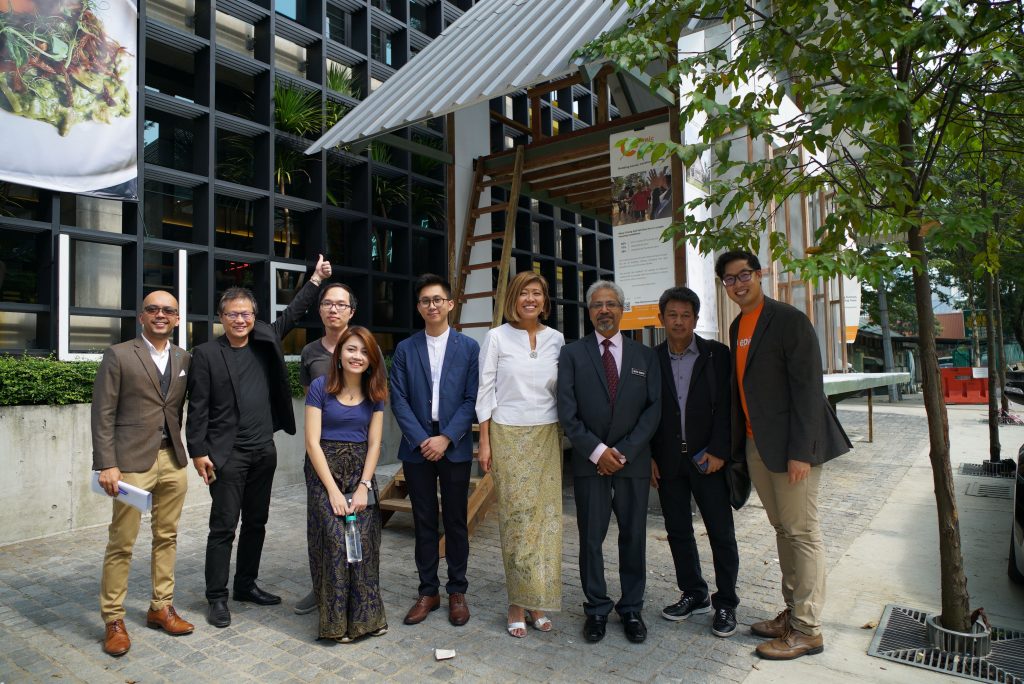 Meanwhile, faced with the reality of the urban fabric seeping rapidly into rural landscapes, the Orang Asli community is constantly battling rapid loss of access to natural resources, forcing many into the urban lifestyle. This led to the design competition Tropical House for Orang Asli in collaboration with the Extra People Impacting Communities (EPIC) Society with an aim to widen access to designs, providing potential options for the Orang Asli. Epic is a social enterprise that creates platforms that inspire, mobilise and empower people for a community transformation with a vision to make collaborative social impact accessible to all.
 BambooArk which was the main event of SHELTER promoted and showcased bamboo’s versatility in the field of design and construction. It presented GO BAMBOO, encouraging the use of bamboo as a renewable and sustainable material from an architect and designer viewpoint by highlighting bamboo’s properties as well as its cultivation, preservation and storing methods. A pavilion was constructed by a team led by Malaysian architect Low Ewe Jin at the venue to highlight the design concept and techniques.
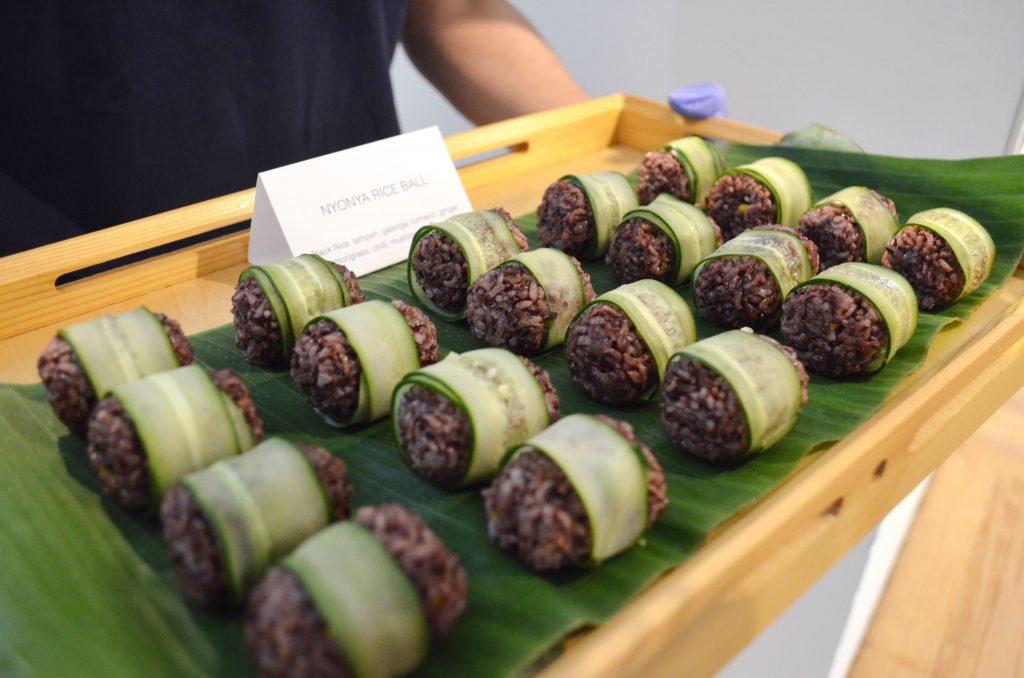 The opening ceremony of Future Food was held on the 29th of June 2019 at Black Box, Publika and officiated by YB Puan Hajjah Zuraida binti Kamarrudin, Minister of Housing and Local Government. It was followed by an interactive sharing session hosted by Langit Collective, a social enterprise that bridges the urban and rural economies by promoting agricultural produce by regional farmers in order to reach larger markets. Their locally grown rice comes from Long Semadoh Valley where they also learned about heirlooms, grains and traditional rice farming techniques from the Lun Bawang people who lived there.
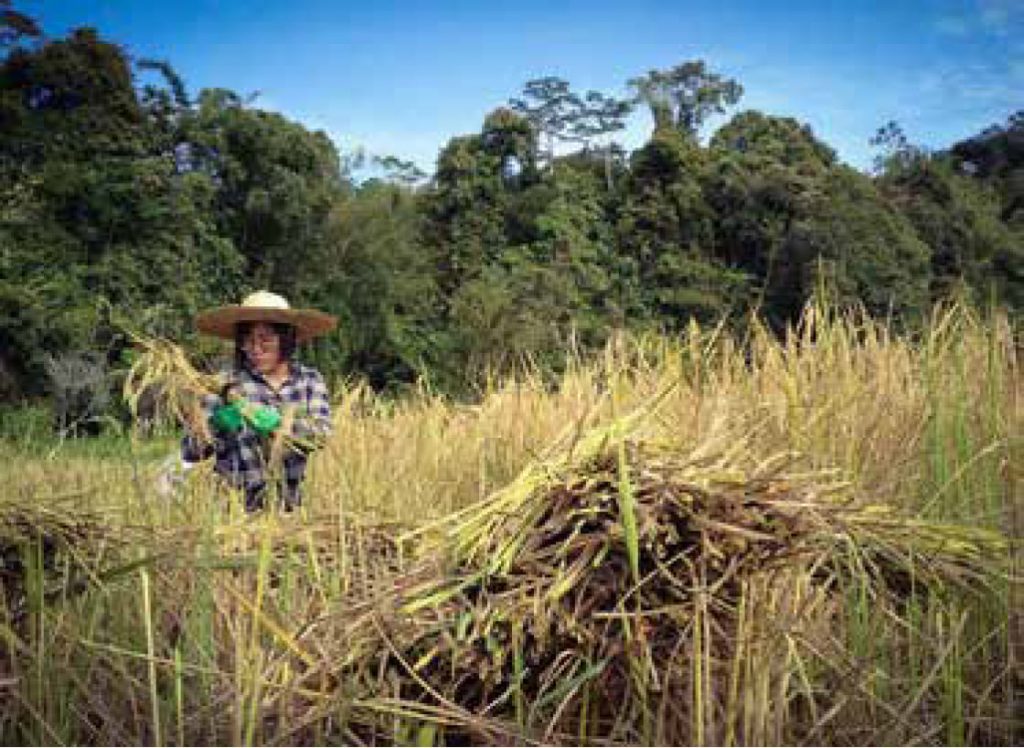 To promote a farm-to-table concept, an eco-farmers bazaar that featured biodynamic farmers, agri-tech startups and organic food vendors was set up. Urban farming, insect protein, and ethical diets was addressed at the festival presented by both academics and industry. This is to let the participants know where the food comes from as well as shed some light on the farming scene in Malaysia. It comprised a series of keynote speeches, panel discussions and talks from industry experts, farmers and activists who spoke about our food sources and how we can eat sustainably. The highlights were the 100 Jars Project, Protein from Insects Talk, Farmers Town Hall, Future Food Dining Hall and Future Food Store.
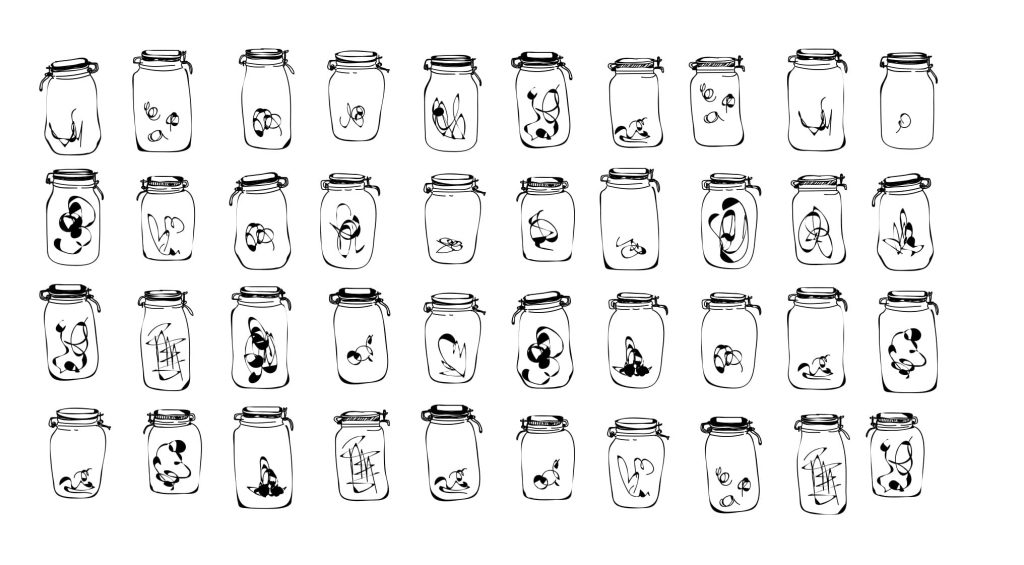 100 Jars is a showcase of how Malaysia’s collective love of food has turned into something sinister for the planet as it sheds light on its main side effect which is the excessive use of plastics. It creates visual reminders of how much plastic consumers throw out by encouraging people to adopt a jar for three days and filling it with their plastic waste. The goal is to promote better and healthier consumption habits among Malaysians.
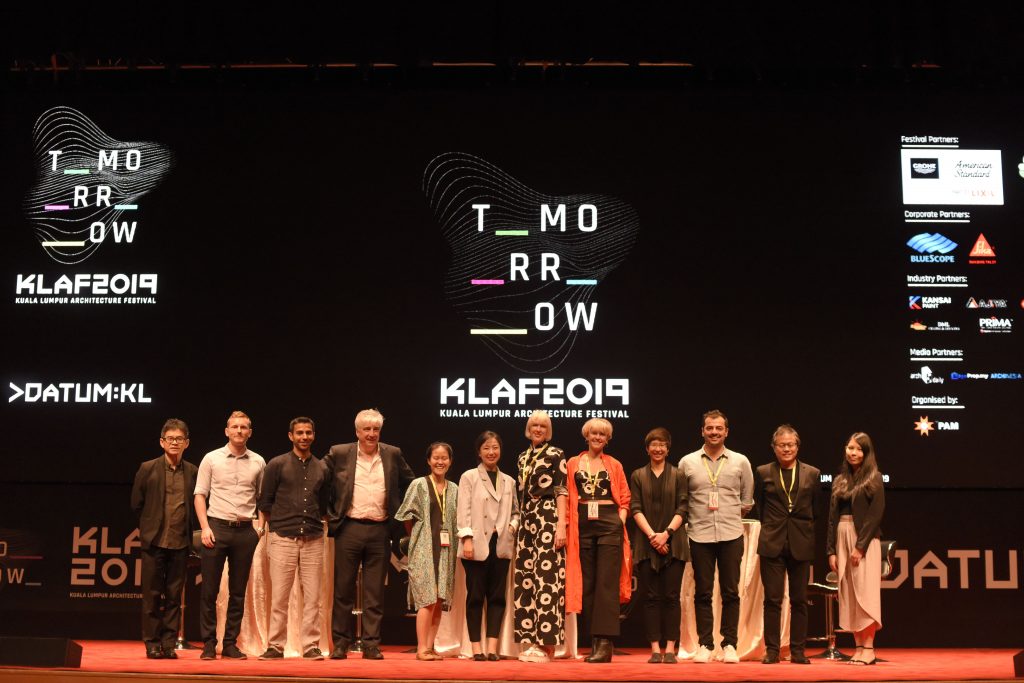 Since its inception in 2003, DATUM:KL has been growing steadily with the number of participants increasing at a very rapid rate. It is a 3-day event that is about architecture and design conference that took place at the Kuala Lumpur Convention Centre. The conference features a line-up of highly acclaimed local and international speakers and was attended by architects, developers, designers, builders, contractors and students from Malaysia and other countries in the ASEAN region.
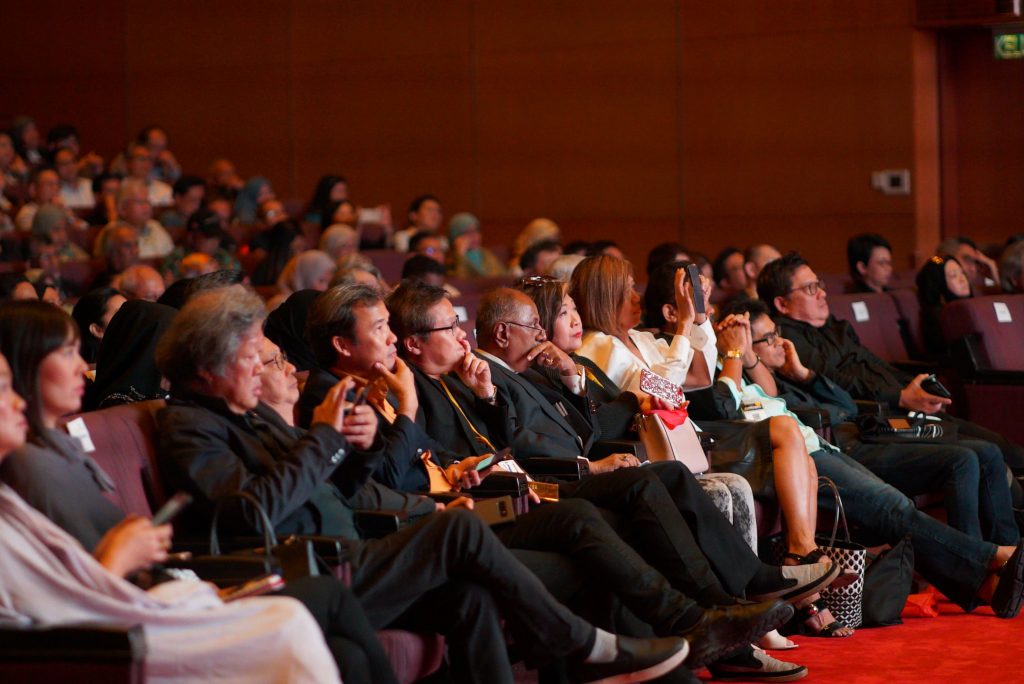 This variety of philosophies from both Eastern and Western architects were juxtaposed against each other so that participants could reflect on the new designs, ideas and exemplary works in order to build a better tomorrow. It also invites thought-leader, designer, artist, architect, planner, and politician to share their thoughts on what tomorrow never dies.


Sponsored Ad



Sponsored Ad
Top Design Stories
- FDSA 2026: Dr. Rena Liu Champions Design Excellence...
 January 20, 2026
 - FDSA 2026: Ar. Dr. Chang Choong Yew from Tunku Abdul...
 January 15, 2026
 - FDSA 2026: Asia Pacific University of Technology & Innovation’s...
 January 14, 2026
 - KL Midtown welcomes its newest icon, Hyatt Regency...
 August 29, 2025
 - FDSA 2026: Muzamil Mutalib avows for his anticipation...
 August 21, 2025
Featured Story
- The Story Behind the DOTY 2026 Trophy
 July 6, 2026
 - Tour an industrial Brooklyn loft-turned-collector's...
 July 6, 2026
 - A sculptural house co-created by an artist and an architect
 July 3, 2026
 - DOTY 2026: Honouring Excellence in Building and Construction
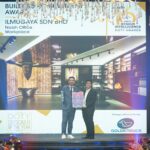 June 30, 2026
 - DOTY 2026: The Promising Stars of the Design Industry
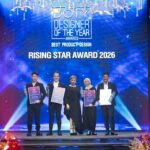 June 30, 2026
Spotlight
- Intertextile Shanghai Home Textiles Returns From 18 to 20 August
 July 24, 2026
 - CBD Guangzhou 2026 Expands Its Global Reach As Overseas...
 July 16, 2026
 - Alison Brooks and Faye Toogood recognised in Birthday...
 July 1, 2026
 - FDSA Collaboration with TAR UMT Makes a Featured Appearance
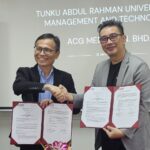 June 17, 2026
 - A Structured, Innovation-Driven Ecosystem Full of Global...
 June 10, 2026
 - CBD Guangzhou 2026: A Convergence of Innovation, Supply...
 April 28, 2026