

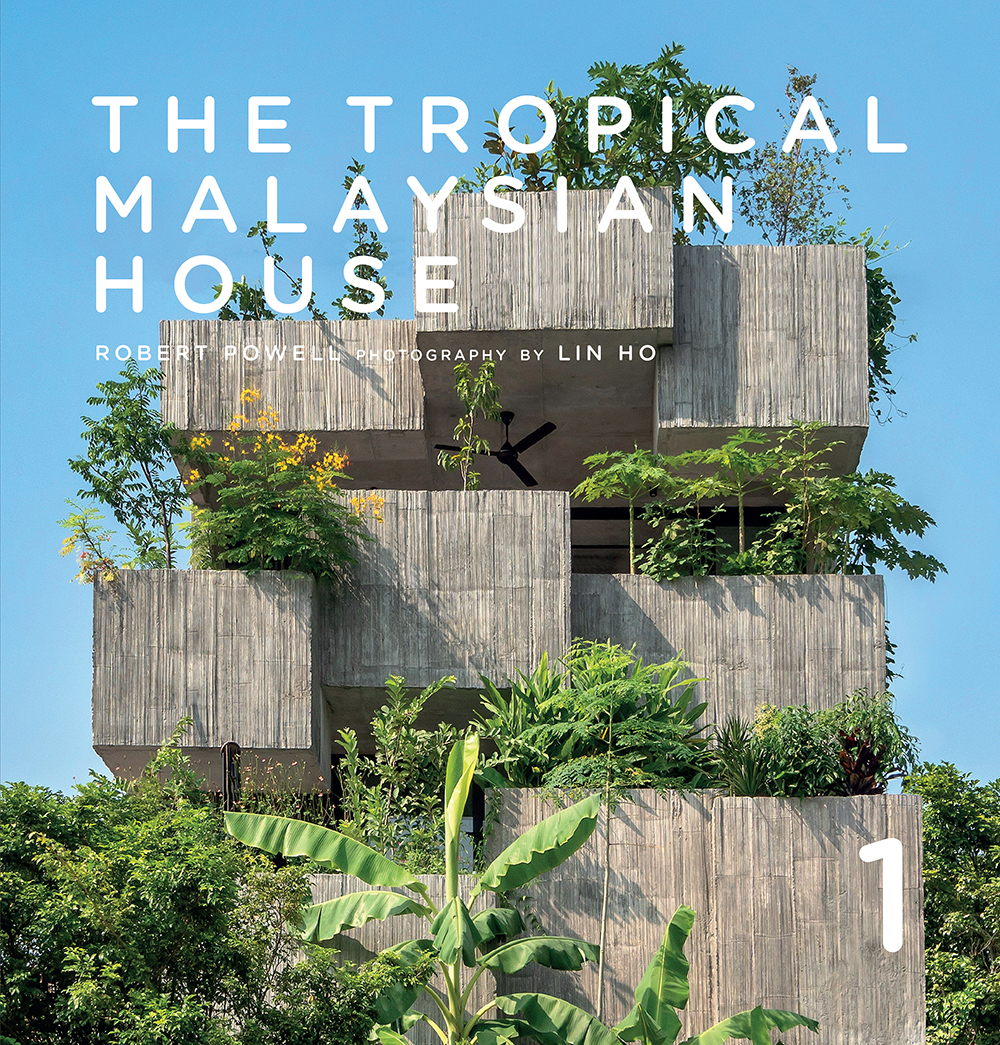
 The idea for the book first formed when Professor Powell had a friendly conversation with renowned Sri Lankan architect Geoffrey Bawa over lunch at Bawa’s home about tropical houses. They discussed the criteria for a residence to be considered a tropical house and Bawa outlined three which were providing the experience of living ”out-of-doors”, being in harmony with nature especially by not destroying any substantial trees and having a minimal amount of glass in its design.
 Considering these to be the most important criteria and a possibly purist view of the subject at hand, Professor Powell then brought the matter up with other Southeast Asian architects. Based on those conversations, he expanded on Bawa’s original list and came up with a total of 12 necessary attributes. Based on this newly expanded list of criteria, he identified a total of 25 houses which satisfied most if not all of these features. Additionally, he referred to the Malaysian Green Building Index (GBI) which extensively lists the requirements for a tropical house to efficiently use energy, water and materials throughout its life cycle.
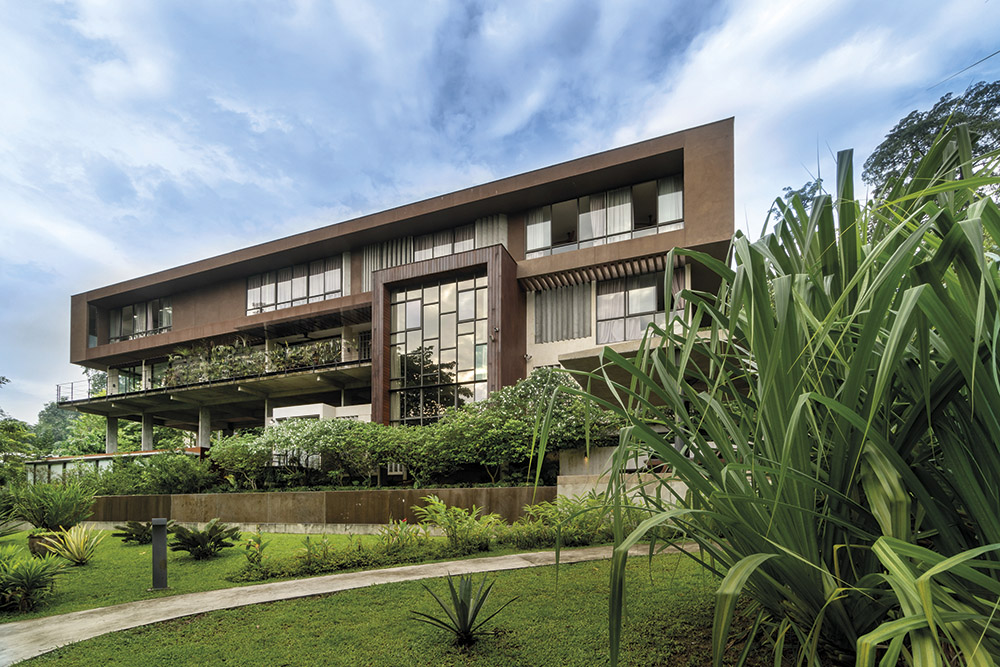
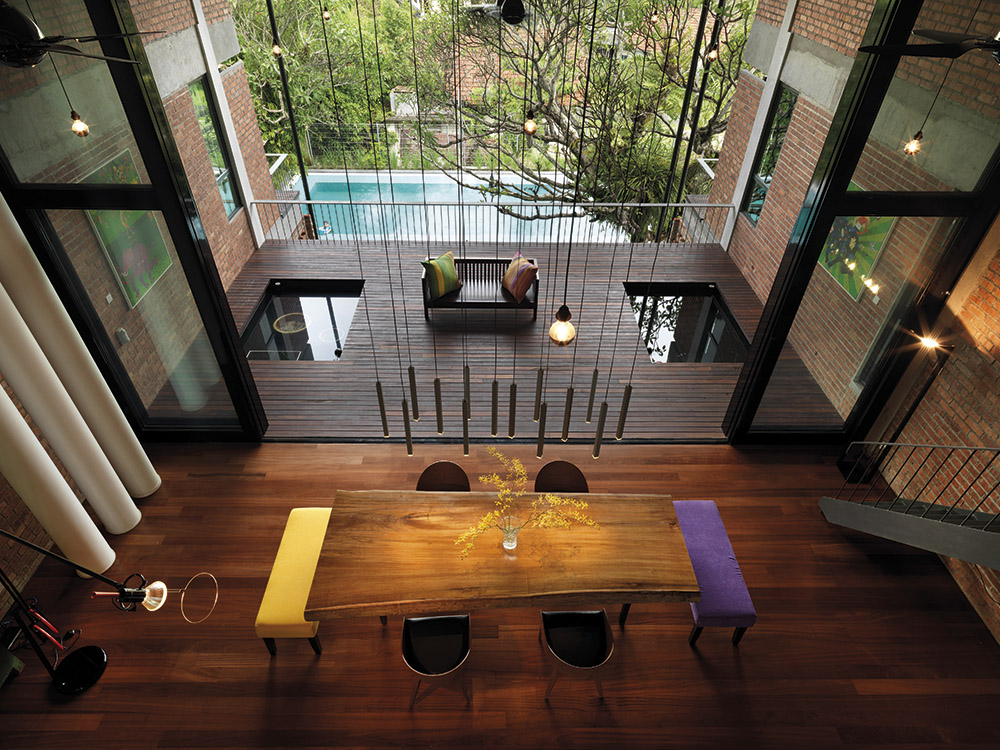 Carefully selected to illustrate contemporary life in the tropics, the chosen abodes are sustainable and take the grave issue of climate change into consideration. On a fundamental level, they exemplify critical regionalism which is a modern architecture that fuses contemporary culture with concepts learned from tradition and vernacular precedence. Altogether, the houses featured in this book show that there is a strong ecological message in the definition of a tropical house. It is Professor Powell’s view that these residences serve as a primer for anyone in the region embarking on the journey of finding a new home.


Sponsored Ad



Sponsored Ad
Top Design Stories
- FDSA 2026: Dr. Rena Liu Champions Design Excellence...
 January 20, 2026
 - FDSA 2026: Ar. Dr. Chang Choong Yew from Tunku Abdul...
 January 15, 2026
 - FDSA 2026: Asia Pacific University of Technology & Innovation’s...
 January 14, 2026
 - KL Midtown welcomes its newest icon, Hyatt Regency...
 August 29, 2025
 - FDSA 2026: Muzamil Mutalib avows for his anticipation...
 August 21, 2025
Featured Story
- MACIOPLUS Flagship Store, A Living Art Museum Rooted...
 October 6, 2026
 - H.R. Owen Group Announces Official Appointment to Operate...
 October 6, 2026
 - Beyond the Showroom with Logan Lim, Founder of Forest...
 October 6, 2026
 - Intertextile Shanghai 2026 Highlights the Future of Home...
 September 14, 2026
 - Sloping Green Roofs "Keep the Family Connected" at This...
 September 8, 2026
Spotlight
- SBID International Design Awards 2026: Nu Infinity...
 October 9, 2026
 - 5 Notable Brutalist Buildings in Kuala Lumpur You Need...
 October 8, 2026
 - Thái Công Mansion: The Wes Anderson Façade Meets...
 October 6, 2026
 - Beyond the Showroom with Logan Lim, Founder of Forest...October 6, 2026
- CIFF Guangzhou 2027 Looks Ahead With 30 Years of Furniture...
 October 5, 2026
 - SIDA Turns 10 on 26 November with Its Landmark 2026...
 September 28, 2026