The Power of Perspective with Mustasha Musa, Head of Design & Planning at Boustead Properties Berhad
November 9, 2026
What gives architecture its soul? For Mustasha Musa, it begins with a clear point of view and the courage to look beyond perspective.
Words: Aqilah Najwa Jamaluddin
Chatty, charismatic and confident – those are the words that best describe Mustasha Musa. She has a way of making her presence felt, and that same assurance carries into her views on architecture. With an international outlook and a firm grasp of the local design landscape, her perspective is grounded in an understanding of architecture that reaches far beyond aesthetics.
A graduate of London’s Architectural Association and a Chartered Architect registered with the Royal Institute of British Architects (RIBA) and the UK Architects Registration Board (ARB), Mustasha has spent nearly two decades building a career across architecture and spatial design. Her portfolio includes the Cambridge Central Mosque, the GBI Platinum-rated JKR Tower in Kuala Lumpur and The Lines in Mutiara Damansara.
Today, she heads the Design & Planning team at Boustead Properties Berhad, where architectural thinking meets the broader considerations of property development.
Her creative pursuits also extend beyond the built environment. Skali, a furniture collection developed in collaboration with Malaysian maker Kok Art & Craft Co., draws on local craftsmanship and reinterprets the familiar monobloc chair as a timber dining set. The collection reflects an interest in giving everyday objects a renewed cultural and material identity. Meanwhile, her appointment as a juror for Designer of the Year (DOTY) 2026 brought another perspective to the forefront, allowing her to assess the wider currents shaping the design industry.
With a career spanning distinguished projects and a growing contribution to the local design conversation, there is plenty to reflect on. We speak about the thinking behind memorable architecture and why looking beyond appearances remains essential to creating spaces that truly resonate.
As an architect, what is the first thing you notice that makes a project stand out?
A project that has character, depth and a strong architectural rhythm. Its proportions feel intentional, and its design language is coherent. Ultimately, the most successful projects are those where you can sense the story and narrative of a place almost immediately, without needing someone to explain it to you.
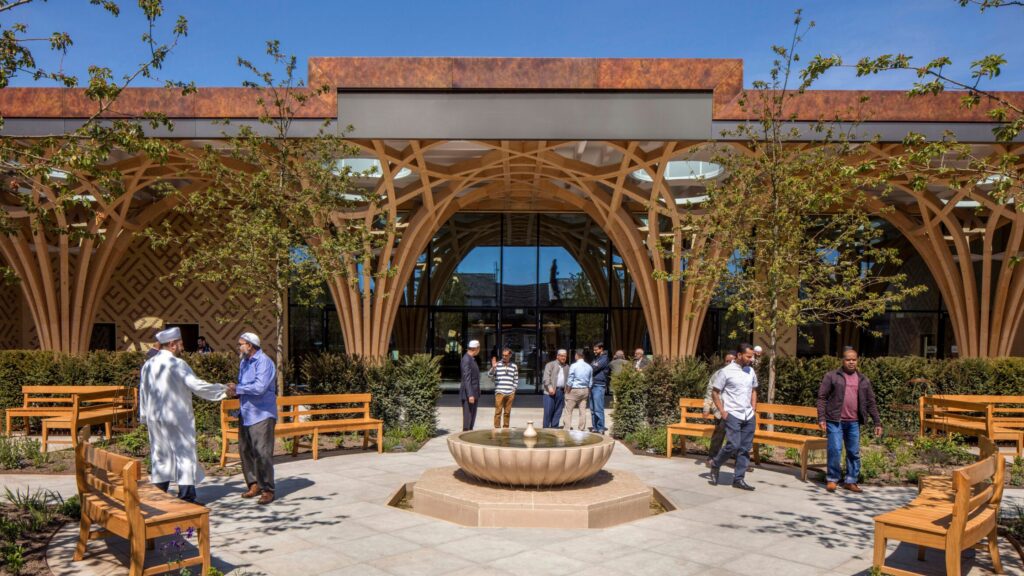
Cambridge Central Mosque. Image by: Morley von Sternberg
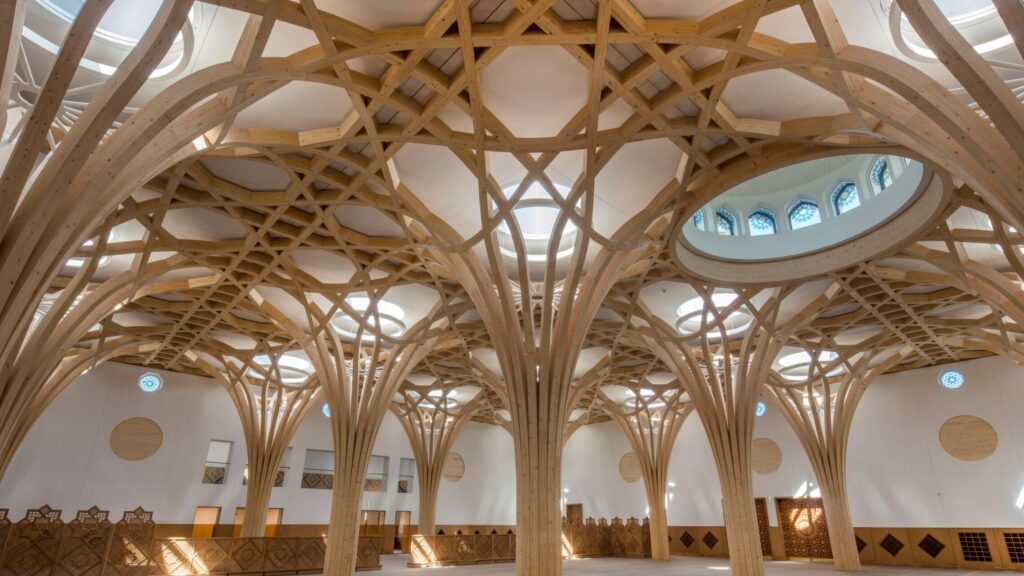
Cambridge Central Mosque. Image by: Morley von Sternberg
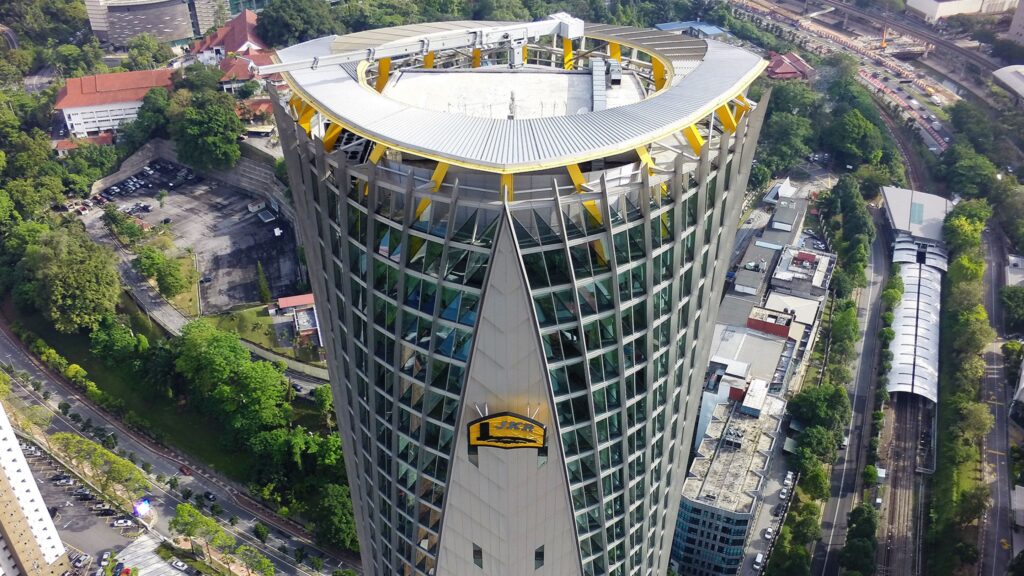
KKR2 Tower. Image by: GDP Architects
KKR2 Tower. Image by: GDP Architects
Of course, one of the remarkable projects in her portfolio is her contribution to The Cambridge Central Mosque in the UK, which serves as a fascinating example of architectural storytelling. Created by Marks Barfield Architects as a modern British mosque, its design incorporates elements from both Islamic and English religious traditions. Its sculptural timber framework, where branching columns extend into a detailed vaulted ceiling, reminiscent of the fan vaulting found in the nearby King’s College Chapel. This architecture harmoniously blends these influences, reflecting its British surroundings.
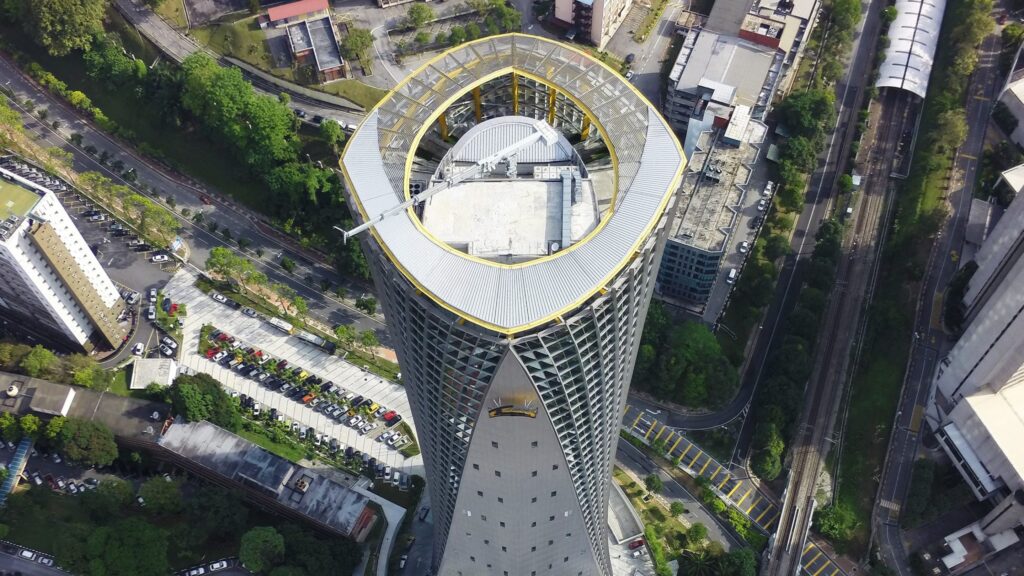
Another significant project is the JKR Tower in Kuala Lumpur, also referred to as KKR2 Tower. Designed by GDP Architects, its diamond-like façade symbolizes Kompleks Kerja Raya’s status as a ‘diamond in the crown’ of Malaysia’s construction sector. The tower’s dynamic geometry and external shading fins create a unique silhouette while aiding in solar control.
Additionally, it achieved a Platinum rating from the Green Building Index, making it the first GBI-certified high-rise office building in Malaysia. In this case, the architectural vision is evident in both the building’s design and its environmental efficiency.
“I’d like to see more critical thinking brought into design. Looking beyond what is visually impressive and really questioning what a project needs, what can be improved and where it can create meaningful impact.”
Who do you think has quietly raised the bar for design in Malaysia, without getting enough credit for?
For me, the people quietly raising the bar are those who understand that good design starts with cultural sentiment without becoming confined by tradition. They take what is meaningful to us and reinterpret it around how we live today. That balance between culture, relevance and contemporary design is where I think some of Malaysia’s most interesting work is happening.
How has being a DOTY juror challenged your own perspective on design?
Being a DOTY juror has given me a much broader perspective of our design landscape. It has made me look beyond individual projects and think about where our industry is today: what we’re doing well, where the gaps are, what we may be missing and, most importantly, where we can do better. It’s also reminded me that good design is constantly evolving and that, as designers, we must keep challenging our own perspectives.
For Mustasha, the judging process itself calls for a wider understanding of design excellence, with considerations spanning creativity, design concept, space planning and the strength of a project’s design statement.
Bringing different disciplines and approaches into the same conversation makes the exercise all the more revealing. It also raises a question that runs through Mustasha’s own observations: how do we distinguish work that is visually accomplished from work that genuinely advances the way we think about design?
When looking through projects, what elements instantly impress you?
A project with a strong narrative that comes through in both its function and aesthetics. The design should not simply be beautiful; every decision should have a purpose and contribute to the overall story of the space. That balance between how a project looks, how it works and what it communicates is what makes a design truly compelling.
Where do you think the next big design trend is going to come from?
I believe the next big design trend will be anchored in a more human-centric approach. As technology advances, artisanal touches may become increasingly rare. At the same time, technological developments allow us to move faster than ever before. Big data, in particular, can help us understand the world better.
What would you like to see more of in the next few years in the industry?
I’d like to see more critical thinking brought into design. Looking beyond what is visually impressive and really questioning what a project needs, what can be improved and where design can create meaningful impact. Sometimes, the greatest impact doesn’t come from doing more, but from making simple, thoughtful adjustments that fundamentally improve how a space works and is experienced.
“I believe the next big design trend will be anchored in a more human-centric approach. As technology advances, artisanal touches may become increasingly rare.”
This consideration of how people inhabit and experience their surroundings becomes especially significant at the scale of urban development. At Boustead Properties, Mustasha’s role places her within that larger conversation.
One of the developments in her portfolio, The Lines in Mutiara Damansara, is conceived as a transit-oriented development, bringing residential living together with integrated MRT connectivity and pedestrian-friendly pathways. Its emphasis on accessibility and intergenerational living reflects a broader shift towards developments that consider everyday needs alongside the architecture itself.
Do you have any advice for upcoming Malaysian architects and designers looking to bring the country’s name to the global stage?
To inspire, we need to approach a project holistically, looking at culture, context, people, function and experience as a whole. I think our opportunity as Malaysian designers is not to imitate what the world is doing, but to find our own voice and create work that is rooted in our context while having the ability to resonate globally.
In her words, the search for an authentic design identity begins with finding a voice of its own, a conversation that remains central to Malaysian architecture today. The ambition lies in understanding what makes our context distinctive and translating that understanding into work that can hold its own beyond our shores. A perspective that, much like the architecture Mustasha admires, begins with a strong sense of identity.